High Tide Practice
Time: 2 hours before & after high tide
Explore deeper pools. Observe fish and sea creatures in deeper water. Wave meditation. Standing on rocks with wave spray. Safety awareness of tidal surge.
Engage with ocean, tidal rhythms, and coastal ecosystems for deep restoration. From rock pool exploration to wave-gazing meditation, coastal practices reconnect us to maritime place and rhythm. Educational frameworks for ocean-based recovery.
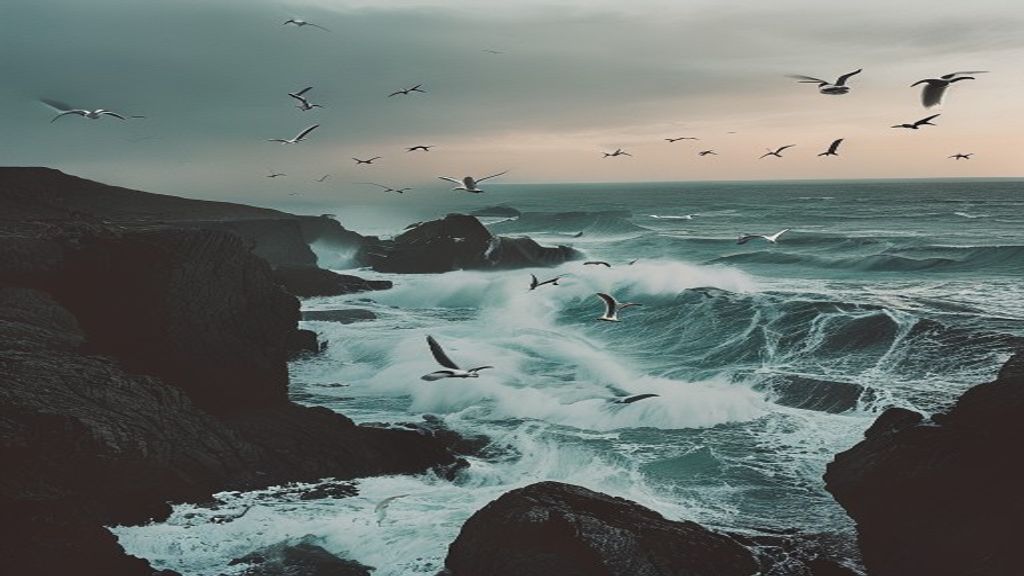
Coastal recovery practice aligns with tidal rhythms. Understanding tidal cycles—high tide, low tide, neap, spring—teaches how all life on the coast moves with predictable patterns.
Time: 2 hours before & after high tide
Explore deeper pools. Observe fish and sea creatures in deeper water. Wave meditation. Standing on rocks with wave spray. Safety awareness of tidal surge.
Time: 2 hours before & after low tide
Rock pool investigation. Seaweed identification. Intertidal zone ecology. Safe exploration of exposed reefs. Collecting observations and specimens for study.
Time: Between high & low tides
Transition observation. Sitting practice overlooking changing coastline. Noticing subtle shifts in water colour and movement. Contemplative presence.
Time: Evening high tides (full moon especially)
Night coastal walks. Lunar-tidal connection awareness. Sensory experience of coast in darkness. Sound and scent changes at night.
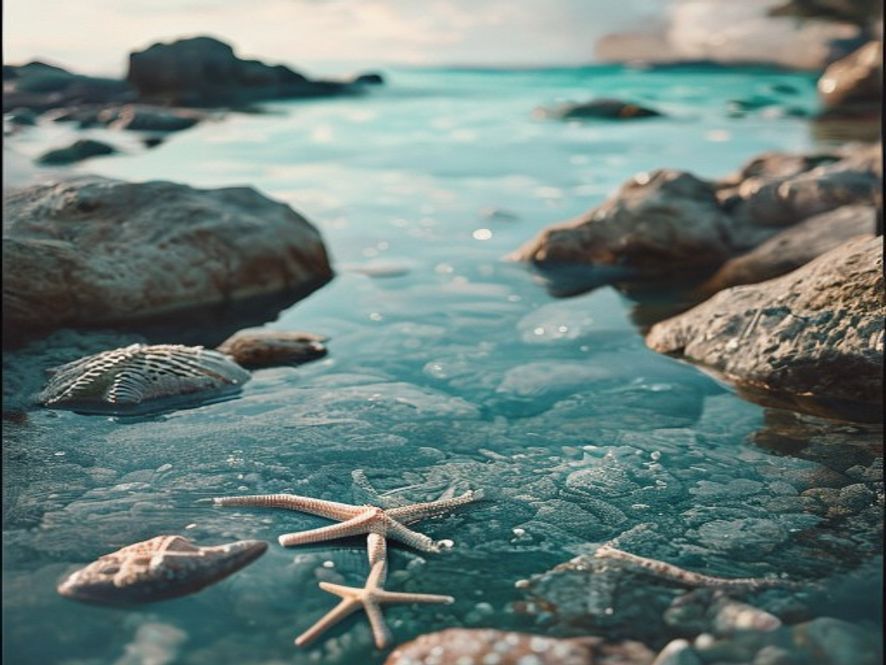
Rock pools are miniature ecosystems, each with distinct inhabitants and microhabitats. Contemplative pool exploration teaches patience, detailed observation, and ecological interconnection.
Always check tide times before coastal visits. Incoming tide can cut off exit routes. Plan your exploration with tide timing in mind. Use official NZ tide tables.
Large waves can occur unexpectedly even in calm conditions. Never turn your back to the sea. Avoid slippery rocks during high wave periods. Know the difference between safe coves and exposed headlands.
Coastal sun reflects intensely off water and rocks. Wind cools rapidly. Bring layers, hat, sunscreen. Dehydration happens quickly on exposed coasts.
Observe marine life without collecting. Protect nesting bird areas. Never disturb seal colonies. Follow DOC guidelines for sensitive coastal zones. Leave no trace.
No. Most of our coastal practices—rock pool exploration, coastal walking, wave-gazing meditation—happen on land or in shallow tidal zones. Swimming is optional. Our guides emphasise safe shore-based practices.
All seasons have value. Summer offers longer daylight and warmer water. Spring and autumn bring distinct ecological rhythms. Even winter coastal practice is restorative. We recommend year-round engagement adapted to weather and tidal patterns.
Yes, with proper planning. Solo coastal visits require awareness of tides, weather, and exit routes. We recommend starting with guided group sessions, then transitioning to solo practice with our educational guides. Always tell someone where you're going and when you'll return.
Book a guided coastal session or request detailed tidal cycle guides for your favourite beaches.
Start Your Coastal Practice